Breathing is effortless—until it isn’t. If you’re coughing for weeks, wheezing at night, struggling with breathlessness during simple activities, or dealing with recurring chest infections, a pulmonology (chest medicine) consultation can help you identify the cause and plan effective treatment.
In a city like Mumbai, where weather changes, air pollution exposure, and viral seasonal surges are common, respiratory symptoms often bring people to a pulmonology clinic. This guide explains what pulmonology covers, when to seek care, how diagnosis usually works, and the treatments commonly used for common lung and breathing conditions.
---
What is Pulmonology (Chest Medicine)?
Pulmonology is the medical specialty focused on diagnosing and treating conditions related to the lungs and the breathing system. A chest physician typically evaluates problems such as:
- Chronic cough and persistent breathlessness
- Asthma and wheezing
- COPD (chronic obstructive pulmonary disease), especially in smokers
- Chest infections including pneumonia and recurrent infections
- Tuberculosis (TB) and lung complications
- Lung inflammation and interstitial lung diseases
- Pleural issues (fluid around the lungs)
- Sleep-breathing disorders (in some cases, depending on evaluation)
Importantly, pulmonology isn’t only for severe disease. Many people see a chest specialist to prevent worsening—especially when symptoms persist or keep returning.
---
Common Reasons People Seek a Chest Physician
If any of the following sound familiar, you may benefit from a pulmonology assessment:
1) Cough that doesn’t settle
A cough lasting more than 3–4 weeks (or recurring frequently) should be evaluated. Causes range from asthma, acid reflux-related cough, post-viral cough, allergy, or infections—so the treatment depends on the diagnosis.
2) Breathlessness during daily activities
Breathlessness is not something you should “adjust to.” It may relate to asthma, COPD, infection, anemia, heart-related issues (which can mimic lung symptoms), or other lung problems.
3) Wheezing, especially at night or after exertion
Wheezing can signal asthma, airway inflammation, or other obstructive conditions. The pattern matters—seasonal triggers, cold air, dust exposure, and respiratory infections can influence it.
4) Frequent chest infections
If you keep getting pneumonia or recurring “chest” infections, a chest physician may investigate immune factors, airway obstruction, or structural issues.
5) TB exposure concerns or abnormal imaging
Mumbai residents may encounter TB-related history, exposure, or symptoms. If you have a TB-positive report, persistent lung symptoms, or an abnormal chest X-ray, specialist evaluation is essential.
6) Chest pain with breathing
Some causes are related to the lungs (like pleurisy, pneumonia, or pleural fluid), while others may be cardiovascular. Prompt assessment is important, particularly if pain is sharp and worsens with breathing.
---
Red Flags: Get Medical Help Promptly
Seek urgent medical care if you have:
- Severe breathlessness, trouble speaking full sentences
- Blue lips/face or extreme fatigue with breathing
- Coughing blood (even small amounts—especially if repeated)
- High fever with worsening chest symptoms
- Sudden onset of severe breathing difficulty
---
What to Expect During a Pulmonology Visit
A good pulmonology consultation is structured around understanding your symptoms and risk factors, then confirming the diagnosis with appropriate tests.
Step 1: Detailed symptom and history review
Expect questions about:
- Duration and pattern of symptoms
- Triggers (dust, cold air, exercise, smoke, infections)
- Smoking/vaping history
- Occupational exposures (construction, chemicals, dust)
- Family history of asthma/COPD or lung disease
- Past illnesses including TB
- Breathlessness at rest vs exertion
Step 2: Physical examination
Your doctor listens for wheeze, crackles, airflow reduction, and other signs that guide next steps.
Step 3: Diagnostic tests (tailored, not one-size-fits-all)
Common investigations include:
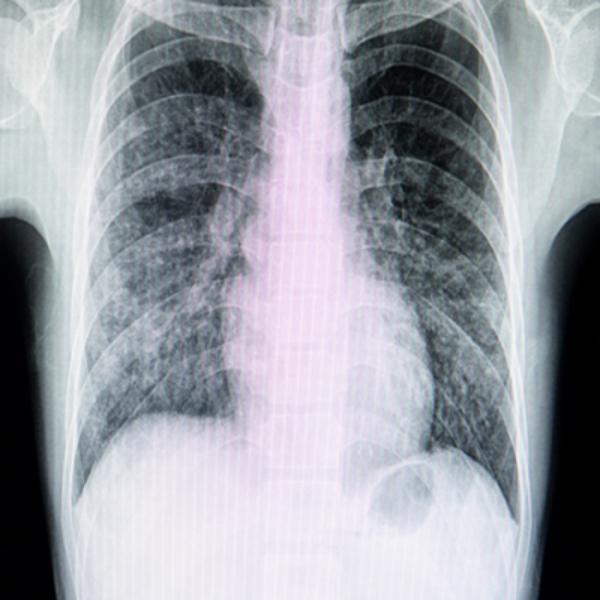
- Chest X-ray (baseline imaging)
- CT scan of the chest (when more detail is needed)
- Spirometry / Pulmonary Function Tests (PFTs) to assess airflow limitation
- Sputum tests for infection/TB when indicated
- Blood tests (inflammation, infection markers, sometimes allergy-related evaluation)
- Oxygen saturation monitoring and sometimes a 6-minute walk test
- Bronchoscopy (in selected cases where direct airway sampling is needed)
If you’ve already had imaging, bring the report and films for accurate comparison.
---
How Pulmonology Treatments Are Chosen
Treatment depends on the underlying cause. Many lung conditions share symptoms (cough, wheeze, breathlessness), but management differs significantly—this is why diagnosis matters.
1) Asthma and airway inflammation
Treatment often includes:
- Inhalers (controller medication and, if needed, reliever)
- Breathing technique education (how to use inhalers correctly)
- Trigger management (smoke, dust, cold air, infections)
- Follow-up to adjust therapy based on response
A common misconception is that inhalers are only for “emergencies.” In many asthma cases, controlling inflammation early prevents flare-ups.
2) COPD (especially in smokers or ex-smokers)
Typical approaches include:
- Bronchodilators and inhaled medications
- Smoking cessation guidance (one of the most effective interventions)
- Vaccinations to reduce infection risk
- Pulmonary rehabilitation in appropriate patients
3) Pneumonia and chest infections
Treatment may involve:
- Antibiotics when bacterial infection is suspected
- Supportive care (hydration, fever control, oxygen if needed)
- Identifying the reason for recurrent infections
4) TB and TB-related lung disease
Management usually includes:
- Confirmatory testing and appropriate drug regimen
- Monitoring response and managing side effects
- Public health considerations and adherence support
5) Pleural effusion and other structural causes
Depending on findings, treatment may involve:
- Medication and observation in mild cases
- Drainage procedures or targeted interventions when fluid is significant
- Further imaging or testing to rule out underlying causes
---
Why Correct Inhaler Use Matters (More Than Many People Think)
Many respiratory treatments are “inhaler-based,” but results depend on technique. If medicine isn’t delivered effectively to the lungs, symptoms won’t improve—even if you’re using the inhaler regularly.
A clinician may check:
- whether you use the right device (MDI vs DPI vs spacer)
- timing (pressing vs inhaling)
- breath-holding after inhalation
- cleaning and maintenance of devices
If your inhaler “doesn’t work,” the issue is often technique or diagnosis, not willpower.
---
Lifestyle and Daily Habits That Support Lung Health
While medical treatment is key, certain habits can reduce symptoms and flare-ups:
- Avoid smoke and indoor pollutants (including incense, poorly ventilated cooking smoke)
- Use masks during high pollution days if you’re sensitive
- Stay physically active within limits—breathing tolerance often improves with safe activity
- Manage reflux if you notice cough after meals or at night
- Keep vaccinations up to date (your doctor can guide which ones are appropriate)
- Don’t ignore persistent symptoms—lung conditions can change over time
---
Finding Pulmonology Care in Mumbai: A Practical Tip
Because respiratory illnesses can mimic each other, choose a chest physician who focuses on diagnosis-first evaluation and uses tests like spirometry, imaging, and sputum studies when required. For people in Mumbai, having timely access to pulmonology guidance can make a difference—especially when symptoms linger beyond the typical course of a cold.
If you’re exploring pulmonology treatments through a specialist-led approach, patients often start by reviewing relevant care categories on established medical websites such as drkamleshpandey.com, where pulmonology-focused evaluation and treatment guidance is discussed in the local context of respiratory care in India.
---
Final Takeaway: Don’t Normalize Ongoing Breathing Symptoms
A cough that lingers, breathlessness that’s worsening, repeated wheeze, or recurrent chest infections are signs your lungs may need more than home remedies. Pulmonology is designed to identify the “why,” measure lung function, and tailor treatment to your condition.
If you’re in Mumbai and experiencing persistent respiratory symptoms, consider scheduling a chest physician consultation—especially if symptoms last more than 3–4 weeks, are recurring, or affect daily activity.
Keywords